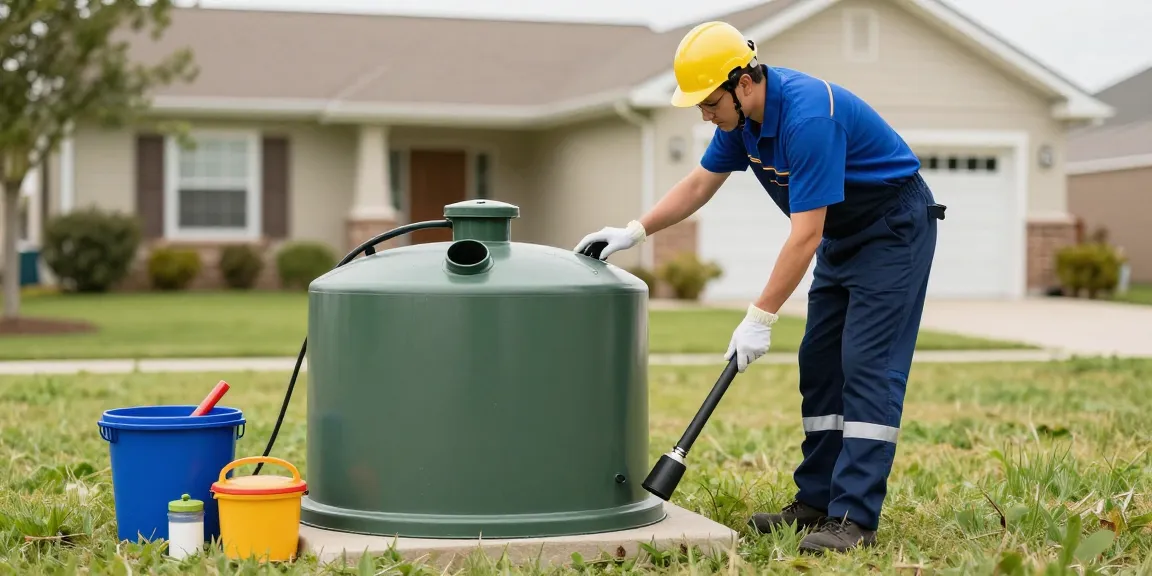
Understanding Septic Cleaning: What to Expect
Septic cleaning is an essential aspect of maintaining your home’s wastewater management system, ensuring that it operates efficiently and safely. Whether you’re a new homeowner or have lived in your property for years, understanding the significance of regular septic cleaning is crucial. Proper maintenance can prevent costly repairs, extending the lifespan of your septic system and supporting the local environment. In this comprehensive guide, we’ll discuss what septic cleaning entails, how to identify when your system needs service, and the steps involved in the cleaning process. For those seeking reliable assistance, local providers specializing in septic cleaning can offer tailored solutions to fit your needs.
1. Importance of Regular Septic Cleaning
Regular septic cleaning is vital for several reasons. Firstly, it prevents the buildup of solids in the septic tank, which can lead to clogs and system failures. By having your septic system pumped and cleaned every 3 to 5 years, you can avoid expensive repairs and ensure a smooth operation. Neglecting regular maintenance could result in unpleasant odors, slow drains, and even sewage backups, posing health risks to your family and neighbors.
2. Common Indicators Your Septic Tank Needs Service
Being aware of the warning signs that indicate your septic tank requires servicing can save you time and money. Some common indicators include:
- Pooling water around the septic system or in your yard
- Unpleasant odors near the tank or drain field
- Slow draining sinks, toilets, or bathtubs
- Backups in your plumbing fixtures
If you observe any of these signs, it’s time to contact a septic professional for an inspection and cleaning.
3. The Septic Cleaning Process Explained
The septic cleaning process typically involves several steps. A licensed professional will start by assessing your system to determine its condition. Next, they will pump the tank to remove accumulated sludge and scum. Finally, they will perform a thorough inspection of the entire system, checking for any signs of damage or needed repairs. Upon completion, the technician will provide recommendations for ongoing maintenance to keep your septic system running efficiently.
Choosing the Right Septic Cleaning Provider in Your Area
Finding a reliable septic cleaning provider is crucial for maintaining your home’s wastewater system. Here are some key factors to consider when selecting a local service provider:
1. Key Qualities to Look for in a Local Provider
When choosing a septic cleaning company, look for the following qualities:
- Experience: Established providers with a strong track record are typically more reliable.
- References: Ask for recommendations from friends or check online reviews.
- Transparency: A reputable company should be clear about their pricing and services offered.
2. Importance of Licensing and Insurance
Always verify that your chosen septic cleaning service is licensed, insured, and bonded. This protects you against potential damages or accidents that may occur during the cleaning process. In many states, including Texas, septic service providers are required to hold specific permits and certifications, ensuring they comply with local regulations and industry standards.
3. Trusted Reviews: What Customers Say
Reading customer reviews and testimonials can provide insight into the service quality of a septic cleaning provider. Websites like Yelp, Google Reviews, and Angie’s List can help you gauge customer satisfaction and pinpoint potential red flags.
Pricing Guide for Septic Cleaning Services
Understanding the costs associated with septic cleaning can help you budget appropriately and avoid unexpected expenses. Here’s a comprehensive overview of what to expect regarding pricing.
1. Average Costs and Factors Influencing Pricing
The cost of septic cleaning typically ranges from $250 to $500, depending on the tank’s size and location. Factors such as the accessibility of the tank and the frequency of cleaning required can also influence the pricing structure. It’s often advisable to get multiple estimates to ensure competitive pricing.
2. Hidden Fees to Watch Out For
While obtaining estimates, be wary of hidden fees that some providers may charge. Ask about costs related to travel, emergency service, or additional repairs that might arise. Clarifying these details upfront can prevent future misunderstandings.
3. How to Get the Best Value for Your Money
To maximize the value of septic cleaning services, consider scheduling regular maintenance and inspections. Some companies offer service contracts that include periodic checks, which can save you money in the long term. Also, inquire whether discounts are available for first-time customers or referrals.
Emergency Septic Cleaning: What to Do and Who to Call
In case of septic system emergencies, knowing how to react is crucial. Here are steps to take if you encounter septic issues.
1. Identifying an Emergency Service Situation
Signs of a septic emergency may include sewage backups in your home, gurgling drains, or strange odors in your yard. If you notice these symptoms, prioritize contacting an emergency septic cleaning service immediately to minimize damage to your property and health risks.
2. Finding Local 24/7 Emergency Providers
When searching for emergency septic cleaning services, look for companies that offer 24/7 service and are well-reviewed by previous customers. Quick response times can greatly reduce the impact of a septic emergency.
3. Costs of Emergency Services Compared to Regular Maintenance
Emergency septic cleaning services are generally more expensive than routine maintenance. While you can expect to pay a premium for after-hours services, addressing septic problems quickly can prevent more significant damage and higher repair costs.
Maintenance Tips for Your Septic System
Proper maintenance of your septic system can prolong its life and improve its performance. Here are some tips to keep your system in good shape.
1. Seasonal Care Tips for Optimal Performance
Consider implementing seasonal maintenance practices, such as inspecting your system before heavy rains or ensuring that no trees or plants are growing directly over the drain field. Such steps can help assess the condition of your septic system and protect it from damage.
2. Importance of DIY Maintenance versus Professional Service
While some maintenance tasks like regular inspections and monitoring water usage can be done by homeowners, professional service providers have the expertise to handle more complex issues. Establishing a schedule for professional cleanings will ensure your system remains in optimal condition.
3. Community Resources and Support for Homeowners
Local community resources such as workshops or informational sessions can provide homeowners with valuable knowledge about septic system care. For more information, Miltonsepticpumping.com offers valuable insights. Many local health departments offer educational materials or programs designed to assist residents in managing their septic systems effectively.