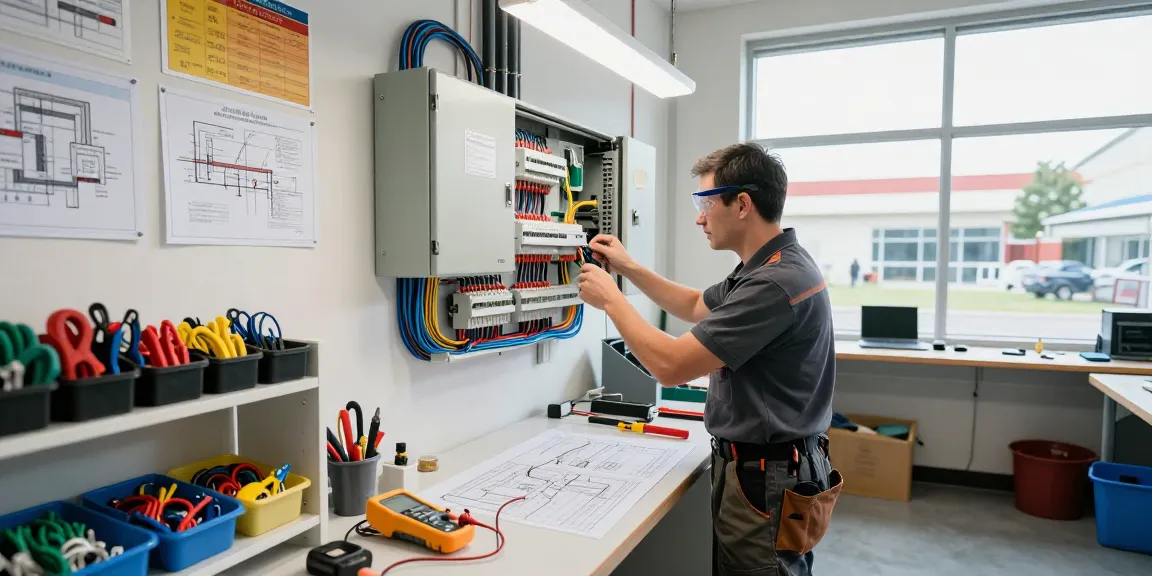
Understanding the Importance of Electrician Certification
In an industry where safety and expertise are paramount, understanding the nuances of electrician certification can significantly impact the quality of work and safety standards. Electricians are the backbone of our modern infrastructure, ensuring that our homes and businesses have safe and reliable electrical systems. A well-informed decision when choosing an electrical professional can save time, money, and even lives. When exploring options, electrician certification guide provides comprehensive insights into what qualifications and certifications are vital for your electrical needs.
What is Electrician Certification?
Electrician certification is a formal recognition granted to professionals who have demonstrated the necessary skills and knowledge required to perform electrical work safely and competently. This certification typically involves rigorous examinations, practical experience, and adherence to local, state, and national electrical codes. Various levels of certification exist, depending on the state or region, including apprentice, journeyman, and master electrician certifications.
Why Certification Matters for Safety?
Electricity is inherently dangerous, and any mishap can result in severe injuries or fatalities. Certified electricians are trained to understand the complexities of electrical systems and are well-versed in safety protocols to mitigate risks. By hiring a certified professional, property owners not only ensure compliance with legal and safety standards but also receive peace of mind. Their training often includes emergency response techniques, ensuring they can handle unexpected situations effectively.
Benefits of Hiring Certified Electricians
Engaging a certified electrician comes with many advantages. Recognizing these benefits can influence your decision-making process:
- Quality Assurance: Certified electricians have passed exams and completed training that validates their knowledge and skill set.
- Insurance and Liability: Most states require certified electricians to hold liability insurance, protecting you from potential financial loss due to job-related mishaps.
- Access to Resources: Certified professionals often have access to industry updates, advanced materials, and techniques, ensuring you receive the most up-to-date service.
- Enhanced Safety: Knowledge of safety regulations reduces the risk of accidents and subsequent financial liabilities.
Types of Electrical Certifications
Overview of Common Certification Types
The landscape of electrician certification is diverse, catering to various specializations and skill levels. Here’s a brief overview of common types:
- Apprentice Electrician: Beginners go through a period of supervised practical training where they learn the trade under the guidance of certified professionals.
- Journeyman Electrician: After gaining experience, electricians can achieve journeyman status by passing an exam, allowing them to work independently.
- Master Electrician: This is the highest level of certification, requiring extensive experience and passing a comprehensive exam covering advanced topics in electrical work.
Specializations Within Electrical Certifications
In addition to standard certifications, many electricians pursue specialized fields to enhance their skills further. Specializations may include:
- Residential Electrical Specialist: Focuses on home wiring, lighting, and systems.
- Commercial Electrical Specialist: Involves work with larger systems in commercial buildings, including complex wiring and compliance with commercial codes.
- Low Voltage Technician: Specializes in installing and maintaining low voltage systems, such as telecommunications and security systems.
How to Choose the Right Certification for Your Needs
Choosing the right certification path is crucial for aspiring electricians. Factors to consider include:
- Your Career Goals: Determine if you want a broad skillset or prefer to specialize in a specific area.
- Local Regulations: Research the requirements in your state or region, as they can vary significantly.
- Duration and Cost: Evaluate the time commitment and financial investment required for each certification path.
Navigating the Certification Process
Steps to Obtain Electrical Certification
The journey to becoming a certified electrician typically involves several key steps:
- Education: Complete relevant courses in electrical theory, wiring, safety, and codes.
- Apprenticeship: Gain hands-on experience by working under a certified electrician.
- Examination: Pass the required certification exam(s) for your state or region.
- Licensure: Apply for licensure, which may involve a background check and proof of your education and experience.
Common Challenges in Certification
While pursuing electrician certification can be rewarding, it also comes with challenges:
- Competition: Given the lucrative nature of the profession, many aspiring electricians face stiff competition.
- State Regulations: Navigating different regulations in various states can be confusing and may require additional study.
- Technical Knowledge: Keeping up-to-date with technological advancements and code changes can be daunting but is necessary for success.
Resources for Aspiring Electricians
Numerous resources are available to support your journey in becoming a certified electrician:
- Trade Schools: Many institutions offer courses specifically tailored for aspiring electricians.
- Online Learning Platforms: Online courses can provide flexible study options to fit your schedule.
- Professional Associations: Joining organizations can offer networking opportunities, continuing education, and resources on the latest industry trends.
Maximizing Value from Your Certification
How to Leverage Certification for Career Growth
Once you obtain certification, leveraging it effectively is crucial for your career advancement:
- Networking: Connect with other professionals in your field to explore job opportunities and mentorship.
- Continuing Education: Stay engaged with ongoing training to enhance your skills and knowledge.
- Showcase Your Certification: Promote your credentials on job applications, resumes, and professional profiles to stand out to potential employers.
Real-World Applications of Electrical Certification
Certified electricians often find diverse opportunities in various settings, such as:
- Residential Projects: Working in homes to perform installations or upgrades.
- Commercial Development: Assisting in larger projects, such as office buildings and retail spaces.
- Renewable Energy: Specialty work related to solar or wind energy systems, an increasingly popular sector.
Building a Portfolio as a Certified Electrician
Creating a comprehensive portfolio showcasing your work is essential to attract clients and employers. Consider including:
- Project Descriptions: Detail the projects you have worked on and the specific roles you played.
- References & Testimonials: Collect feedback from previous clients or employers to add credibility to your portfolio.
- Certifications & Continued Education: Document additional certifications and courses to showcase your commitment to the field.
Future Trends in Electrical Certification
Emerging Technologies and Their Impact on Certification
The electrical industry is rapidly evolving, with emerging technologies requiring new skills and knowledge. For instance, the rise of smart homes and IoT devices is creating a need for electricians skilled in these advanced systems. Certification programs must adapt to include training on these new technologies, ensuring that electricians are prepared for future challenges.
Predictions for the Electrical Industry in 2026
Looking ahead to 2026, several trends are likely to shape the electrical industry:
- Increased Demand for Automation: As automation continues to expand, electricians will need to be conversant in control systems and programming.
- Stricter Regulations: Governments may implement more rigorous safety regulations necessitating higher standards for electricians.
- Green Energy Focus: An ongoing shift toward sustainability will increase the demand for electricians skilled in renewable energy technologies.
The Role of Continuing Education in Staying Certified
Maintaining certification often requires continuous education, as advancements in technology and regulations evolve. Electricians should prioritize ongoing training to:
- Stay updated with the latest codes and safety practices.
- Explore new technologies, enhancing their service offerings.
- Renew certifications and licenses to maintain professional standing within the industry.
What are the benefits of electrician certification?
Electrician certification offers numerous benefits, including enhanced job prospects, higher earning potential, and a professional edge over non-certified counterparts.
How long does the electrician certification process take?
The duration can vary widely based on the certification level, ranging from a few months up to several years, depending on apprenticeship requirements.
Can online courses help with electrician certification?
Yes, many online courses are tailored to the needs of aspiring electricians, providing flexibility and accessibility to essential training materials.
What certification should I pursue first?
Beginning with an apprenticeship certification is advisable, as this lays the foundation for further advancement to journeyman and master electrician statuses.
Are there certifications for specialty electrical fields?
Yes, various certifications exist for specializations such as renewable energy, low voltage systems, and commercial wiring, allowing electricians to enhance their skills in specific areas.