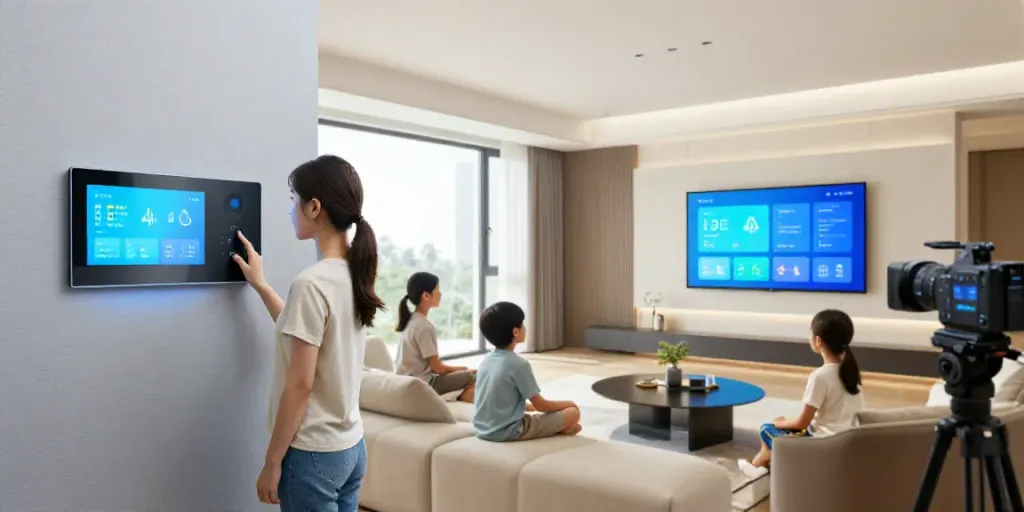
Understanding Smart Home Technology
The rise of smart home technology marks a pivotal shift in how we interact with our living spaces. With rapid advancements in the Internet of Things (IoT), homes are transforming into connected environments that offer convenience, security, and energy efficiency. This article delves into what a smart home entails, highlighting the benefits and key features associated with خانه هوشمند جهان اسمارت, a leader in home automation solutions. When exploring options, خانه هوشمند جهان اسمارت provides comprehensive insights into the latest innovations in smart living.
What is a Smart Home?
A smart home is equipped with devices that connect to a central hub, enabling remote monitoring and control of various home systems via the internet. This can include lighting, heating, security systems, and even appliances. With a smart home, users can automate everyday tasks and access key functionalities while away from home, enhancing both convenience and control.
Advantages of Smart Homes
The benefits of adopting smart home technology are abundant:
- Convenience: Control and automate home systems remotely via smartphone apps or voice commands.
- Energy Efficiency: Smart thermostats and lighting systems can significantly reduce energy consumption, leading to cost savings.
- Enhanced Security: Smart cameras, locks, and sensors provide real-time monitoring and alerts, improving home security.
- Increased Accessibility: Smart homes can cater to individuals with disabilities, offering easy control over various home systems.
Essential Features of خانه هوشمند جهان اسمارت
خانه هوشمند جهان اسمارت stands out in the market with its comprehensive offerings. Key features include:
- Smart Lighting: Customize lighting scenes based on preferences or schedules, ensuring optimal ambiance.
- Smart Security Systems: Monitor your property with high-definition cameras and motion detectors that can be accessed remotely.
- Home Automation: Sync multiple devices to run predefined commands, such as turning off lights and locking doors when leaving the house.
- Voice-Controlled Devices: Integrate voice assistants for hands-free operation, making it easier to control various aspects of your home.
Challenges in Smart Home Adoption
While smart home technology offers numerous advantages, there are inherent challenges that potential users face. Understanding these can help mitigate concerns and encourage adoption.
Common Misconceptions about Smart Homes
A prevalent myth is that smart home devices are only for tech-savvy individuals. In reality, many smart products are designed for ease of use, making them accessible to a broader audience. Additionally, installation is often simpler than anticipated, with many products requiring minimal setup.
Potential Technical Issues
Technical issues can arise, such as connectivity problems and compatibility between different devices. Choosing a reputable brand like خانه هوشمند جهان اسمارت can help ensure a more seamless integration of devices. Investing in robust Wi-Fi solutions also plays a critical role in maintaining connectivity.
Overcoming User Resistance
Resistance can stem from concerns about privacy and data security. Reputable smart home companies address these issues by implementing strong encryption and clear privacy policies, allowing users to enjoy the benefits of smart homes without compromising their data.
Implementing Your Smart Home System
Implementing a smart home system can be straightforward when approached step-by-step. Here’s how to get started effectively:
Step-by-Step Installation Guide
Begin by assessing your needs and budget. Choose a central hub to control your smart devices, followed by selecting devices that fit your lifestyle. The installation process often involves following manufacturer instructions and may require minimal tools.
Choosing the Right Devices
When selecting devices, consider compatibility with your existing systems. Focus on core areas such as security, lighting, and climate control. Home automation solutions often work best together, so choose products from established ecosystems.
Integrating Smart Home Features Effectively
Ensure proper integration by utilizing protocols like Zigbee or Z-Wave, which facilitate communication among devices. Tailor automation routines to suit your daily life—such as setting routines for waking up or going to bed—to maximize convenience.
Future Trends in Smart Home Technology
The landscape of smart home technology is ever-evolving. Staying informed about upcoming trends can prepare homeowners for future advancements.
Emerging Technologies in 2026
In 2026, we expect to see significant strides in integration with artificial intelligence (AI) and a greater focus on sustainability. Devices will become more intuitive, learning from user behavior to optimize the home environment automatically.
Predictions for Smart Home Market Growth
The smart home market is projected to grow significantly. Analysts predict that by 2026, the market will expand due to increasing consumer awareness and advancements in technology, making smart homes more accessible and affordable to the average homeowner.
Role of AI and IoT in Smart Homes
AI will play a pivotal role in enhancing the functionality of smart homes. Smart devices will utilize AI to predict user needs and preferences, while IoT will ensure robust communication between devices, offering seamless experiences.
Case Studies and Real-World Applications
To understand the practical implications of smart home technology, let's explore some successful implementations and user experiences.
Successful Implementations of خانه هوشمند جهان اسمارت
Many homeowners have successfully transformed their living spaces with the help of خانه هوشمند جهان اسمارت. Case studies highlight how families have improved their daily routines through smart lighting, energy management, and enhanced security.
User Testimonials and Experiences
Users frequently report increased satisfaction with the convenience and efficiency that smart homes provide. Testimonials reveal that many find themselves reducing energy costs significantly while enjoying a more comfortable living environment.
Comparative Analysis with Competitors
When compared to other providers in the market, خانه هوشمند جهان اسمارت consistently delivers reliable products and top-notch customer service. Its commitment to innovation and quality sets it apart, offering a competitive edge that appeals to consumers.
What are the Benefits of Smart Homes?
The overarching benefits of smart homes include energy savings, enhanced security, improved efficiency, and convenience. Additionally, these homes can positively impact quality of life by offering more control over home environments.
How to Start Building a Smart Home?
To begin building your smart home, start by selecting a central hub, then gradually add devices based on your needs. Prioritize areas like security and energy efficiency to maximize benefits while minimizing upfront costs.
Are Smart Homes Worth the Investment?
Investing in a smart home can yield significant long-term savings through energy efficiency and enhanced property value. Moreover, the convenience and safety features can improve your quality of life.
What Technologies Drive Smart Homes?
Smart homes are fueled by a variety of technologies, including IoT devices, AI, and high-speed internet connectivity. These technologies work together to create an interconnected system that enhances home automation.
How Do Smart Homes Enhance Security?
Smart homes enhance security with features like remote monitoring, smart locks, and automated lighting systems. These technologies provide homeowners with peace of mind by allowing them to monitor their property from anywhere.
What Maintenance is Required for Smart Homes?
Maintaining a smart home involves regular software updates, ensuring device compatibility, and occasional troubleshooting. Keeping devices updated guarantees optimal performance and security.