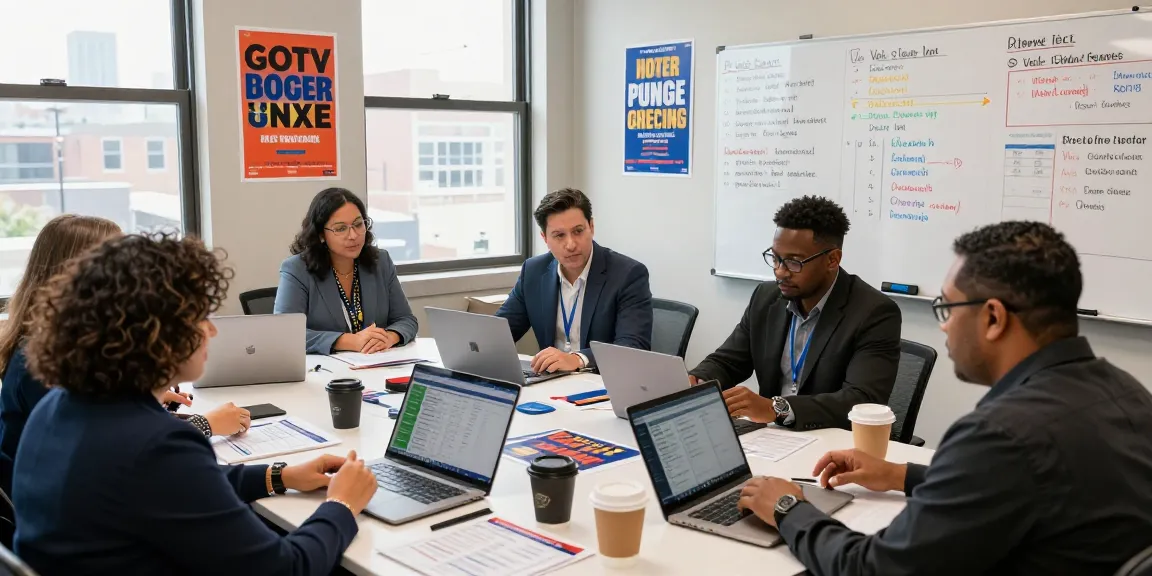
Understanding GOTV Text Messaging
In the fast-paced world of political campaigning, engaging voters has become more vital than ever, particularly with the rise of digital communication. One of the most effective strategies in this realm is "Get Out The Vote" (GOTV) text messaging. This method not only facilitates direct communication with potential voters, but also leverages data for targeted outreach, significantly enhancing engagement and turnout rates. When exploring options, GOTV text messaging serves as a powerful tool for candidates aiming to connect with their constituents effectively.
What is GOTV Text Messaging?
GOTV text messaging is a targeted communication strategy used by political campaigns to mobilize voters as elections approach. This approach involves sending messages directly to a list of registered voters, reminding them about the election date, polling locations, and any necessary actions they need to take, such as updating their registration information. By utilizing mobile technology, campaigns can reach voters quickly and efficiently, providing them with essential information and encouraging them to participate in the democratic process.
Importance of Data in Voter Outreach
Data plays a critical role in the effectiveness of GOTV text messaging. Political campaigns that leverage updated and comprehensive voter files can tailor their messages to specific demographic groups, increasing the likelihood of engagement. Understanding voter preferences, historical turnout rates, and community interests enables campaigns to segment their outreach efforts, ensuring that messages resonate with their intended audience. This level of personalization often leads to greater election participation, as voters feel more informed and motivated to act.
How Text Messaging Drives Engagement
Text messaging has a high engagement rate compared to other forms of communication, such as email or direct mail. Studies show that over 90% of text messages are read within three minutes of being received. This immediacy provides campaigns an opportunity to share critical information at just the right time. Additionally, the conversational nature of text messaging fosters a sense of connection between candidates and voters, making messages feel personal and relevant.
Choosing the Right Messaging Platform
When planning a GOTV campaign, selecting the appropriate text messaging platform is paramount. The right tool can make all the difference in terms of functionality, user experience, and support provided. Various platforms cater to different campaign needs, and understanding the available options is essential for optimizing outreach efforts.
Comparison of Leading Platforms for GOTV
Several platforms offer unique features tailored for political campaigns, allowing for efficient voter outreach. Popular options include:
- Twilio: Known for its robust API, Twilio allows campaigns to customize messages easily, integrate with existing data systems, and scale outreach efforts as needed.
- EZ Texting: This user-friendly platform specializes in mass texting and offers drag-and-drop features for creating engaging campaigns easily.
- Textedly: With unlimited text messages and simple analytics, Textedly is a cost-effective option for campaigns aiming to reach a wide audience.
Features to Look For in Your Messaging Tool
When evaluating messaging platforms, consider the following features:
- Ease of Use: The platform should have a user-friendly interface that allows campaign staff to create, send, and analyze messages effortlessly.
- Analytics and Reporting: Look for tools that provide detailed reports on message engagement, click-through rates, and response patterns.
- Integration Capabilities: Ensure the platform can seamlessly integrate with your existing voter databases and campaign management tools.
- Scalability: Choose a platform that can handle a growing list of contacts as your campaign expands.
Cost Considerations and ROI Analysis
Budgeting for a GOTV text messaging campaign involves analyzing both upfront costs and potential return on investment (ROI). Most platforms offer tiered pricing based on the number of messages sent or the size of your contact list. Calculate the potential impact by estimating voter turnout increases attributable to your messaging efforts and comparing that to the costs incurred. A well-executed campaign can yield significant returns, making it a worthy investment for any candidate.
Strategies for Effective GOTV Campaigns
Implementing a successful GOTV text messaging strategy requires careful planning and execution. Employing best practices ensures that your messages are impactful and drive the desired voter action.
Best Practices for Crafting Your Message
Effective text messages should be concise, clear, and actionable. Here are some tips for crafting your campaign messages:
- Be Direct: Clearly state the purpose of the message, whether it's reminding voters to vote or providing polling location details.
- Use Strong Calls to Action: Motivate recipients to act by using phrases like "Vote today!" or "Don't forget to register!"
- Personalize When Possible: Use the recipient’s name to create a connection and make the message feel tailored to them.
Timing and Frequency: When to Send Messages?
Strategic timing is crucial in maximizing the impact of your text messages. Send messages at key moments leading up to the election, including:
- Initial reminders about registration deadlines
- Last-minute reminders the day before the election
- Day-of reminders with polling hours and locations
However, avoid overwhelming voters with too many messages. Striking the right balance is important to maintain engagement without causing fatigue.
Segmentation Techniques for Targeted Outreach
Segmentation involves dividing your voter list into sub-groups based on specific criteria. This allows for targeted messaging that resonates with each group's unique concerns and preferences. Consider segmenting by:
- Demographics (age, gender, ethnicity)
- Voting history (past turnout, party affiliation)
- Geographic location (specific districts or neighborhoods)
By tailoring your messages according to these segments, you increase the likelihood of engagement and action among different voter populations.
Measuring Success: Key Metrics and KPIs
To understand the effectiveness of your GOTV text messaging campaign, it's essential to establish key performance indicators (KPIs) and track relevant metrics. Analyzing these can provide insights into your campaign's impact and areas for improvement.
Tracking Response Rates and Engagement
Monitor metrics such as open rates, click-through rates, and response rates to gauge how well your messages are performing. High engagement levels indicate that your content resonates with voters, whereas low rates may require adjustments to your messaging or timing.
Assessing Voter Turnout Impact
Ultimately, the goal of a GOTV campaign is to increase voter turnout. Analyzing turnout data in relation to your messaging efforts can help assess the effectiveness of your campaign. Compare turnout rates in targeted voter segments against those not reached by your messages to demonstrate impact.
Adjusting Strategies Based on Feedback
Collect feedback from your campaign team and target audience to identify strengths and weaknesses within your messaging strategy. Use this input to refine your approach for future campaigns. Continuous improvement is key in adapting to changing voter preferences and behaviors.
The Future of GOTV Text Messaging
As political campaigns evolve, so too must their outreach strategies. The future of GOTV text messaging will likely involve more advanced technology and tools to facilitate engagement and streamline processes.
Emerging Trends for 2026 and Beyond
Anticipated trends in GOTV text messaging include increased integration of artificial intelligence (AI), more personalized messaging experiences, and the incorporation of multimedia content to enhance engagement.
Integrating AI and Automation in Campaigns
AI can significantly enhance the effectiveness of GOTV campaigns by automating the segmentation process, optimizing send times, and personalizing content at scale. Automated responses can also be set up to engage voters who reply to text messages, creating a more interactive experience.
Predictions for Evolving Voter Behavior
As technology continues to advance, voter behavior will also change. Future voters may increasingly prefer to communicate through messaging apps or social media platforms rather than traditional SMS. Understanding these shifts will be crucial for campaigns looking to engage effectively in later elections.
What are the benefits of GOTV text messaging?
The key benefits of GOTV text messaging include higher engagement rates, direct voter outreach, and the ability to deliver timely and relevant information. This approach helps campaigns connect with voters more personally and encourages participation in the electoral process.
How can campaigns measure text message effectiveness?
Campaigns can measure the effectiveness of their text messaging efforts by tracking engagement metrics such as open rates, click-through rates, response rates, and ultimately, the impact on voter turnout. Analyzing these metrics enables teams to refine their strategies for future outreach.
What legal considerations should campaigns keep in mind?
Campaigns must comply with regulations surrounding text messaging, including obtaining consent from recipients before sending messages. It's essential to familiarize yourself with the Telephone Consumer Protection Act (TCPA) and ensure your messaging practices adhere to legal requirements.
How does personalization affect voter engagement?
Personalization significantly enhances voter engagement by making messages more relevant to recipients. Tailoring content to reflect individual interests and preferences fosters a sense of connection and makes recipients more likely to act on the messages they receive.
What role does data privacy play in GOTV strategies?
Data privacy is a critical concern in political campaigns. Routinely updating privacy policies and ensuring that voter data is securely stored and handled is crucial for maintaining trust and compliance with regulations. Campaigns must be transparent about how they use voter data in their outreach efforts.