
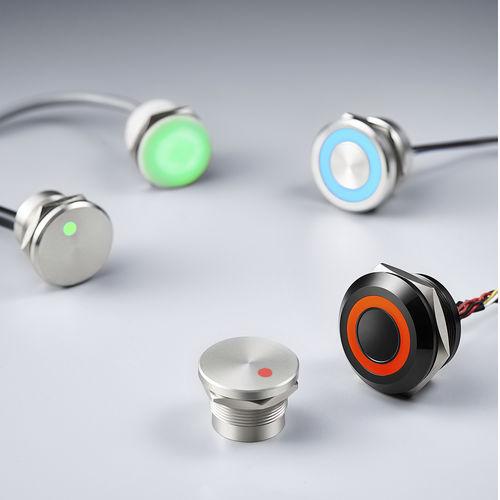
As industrial systems become more advanced, the importance of reliable control components continues to increase. Manufacturing facilities, automation systems, transportation equipment, and commercial infrastructure all depend on durable components to maintain safe and efficient operations. Selecting the right control components can help improve equipment performance, reduce maintenance requirements, and support long-term reliability.
Industrial environments often expose equipment to dust, moisture, vibration, temperature fluctuations, and continuous use. For this reason, organizations must carefully evaluate component quality and durability before making purchasing decisions. Products such as the Capacitive switch and dc circuit breaker are commonly selected because they offer dependable performance in demanding applications.
The Importance of Durable Control Components
Control components serve as critical elements within industrial systems. They help manage equipment functions, support operator interaction, and protect electrical infrastructure. If a component fails unexpectedly, it can lead to downtime, increased maintenance costs, and operational disruptions.
Durable control components are designed to withstand harsh operating conditions while maintaining consistent performance. As industries continue to focus on productivity and efficiency, selecting reliable components has become a key part of successful equipment design and operation.
Best Practices for Component Selection
Evaluate Environmental Conditions
One of the first steps in selecting industrial control components is understanding the operating environment. Factors such as moisture, dust, chemicals, and temperature extremes can affect component performance.
Prioritize Reliability
Reliable components help reduce unexpected failures and support continuous operation. Organizations should choose products that are designed for long service life and consistent performance.
Consider Maintenance Requirements
Components that require less maintenance can help reduce operating costs and improve equipment availability. Durable solutions often provide long-term value by minimizing service interruptions.
Verify Compatibility
Industrial control components should be compatible with existing systems and operational requirements. Proper integration helps ensure smooth equipment performance.
Focus on Safety
Safety remains a top priority in industrial environments. Products such as a dc circuit breaker help protect electrical systems from overloads and fault conditions, supporting safer operation.
Common Applications
Durable industrial control components are used across a wide range of industries, including:
● Industrial automation systems● Manufacturing equipment● Transportation infrastructure● Medical devices● Telecommunications equipment● Energy systems● Security systems● Building management systems
Many of these applications incorporate a Capacitive switch to provide responsive user control while utilizing a dc circuit breaker for electrical protection.
Choosing the Right Technology
Different applications require different control solutions. Organizations should evaluate performance expectations, environmental conditions, durability requirements, and long-term operational goals before selecting components.
For example, a Capacitive switch may be preferred for applications requiring a modern and easy-to-clean interface, while a dc circuit breaker remains essential for protecting electrical systems from damage. Understanding the specific needs of the application helps ensure the best possible component selection.
Conclusion
Selecting durable industrial control components is an important step in achieving reliable and efficient system performance. By evaluating environmental conditions, prioritizing reliability, considering maintenance requirements, and focusing on safety, organizations can make informed decisions that support long-term success.
Whether choosing a Capacitive switch for advanced user interfaces or a dc circuit breaker for dependable electrical protection, durable components contribute significantly to operational efficiency and equipment reliability. As industrial systems continue to evolve, careful component selection will remain essential for achieving optimal performance.